Introduction
When it comes to roofing, understanding the distinctions between residential and commercial roofing services is crucial. Both types of roofs serve specific purposes, are constructed from different materials, and require unique maintenance strategies. Whether you are a homeowner looking for reliable residential roofing services or a business owner in need of commercial roofing services, knowing these key differences will help you make informed decisions.
In this article, we will explore The Key Differences Between Residential and Commercial Roofing Services in detail, discussing everything from materials used to the scope of work involved. We’ll also delve into the costs associated with each type of roofing service, helping you understand what to expect when hiring licensed roofing contractors or certified roofing contractors.
Understanding Roofing Needs: Residential vs. Commercial
What Defines Residential Roofing Services?
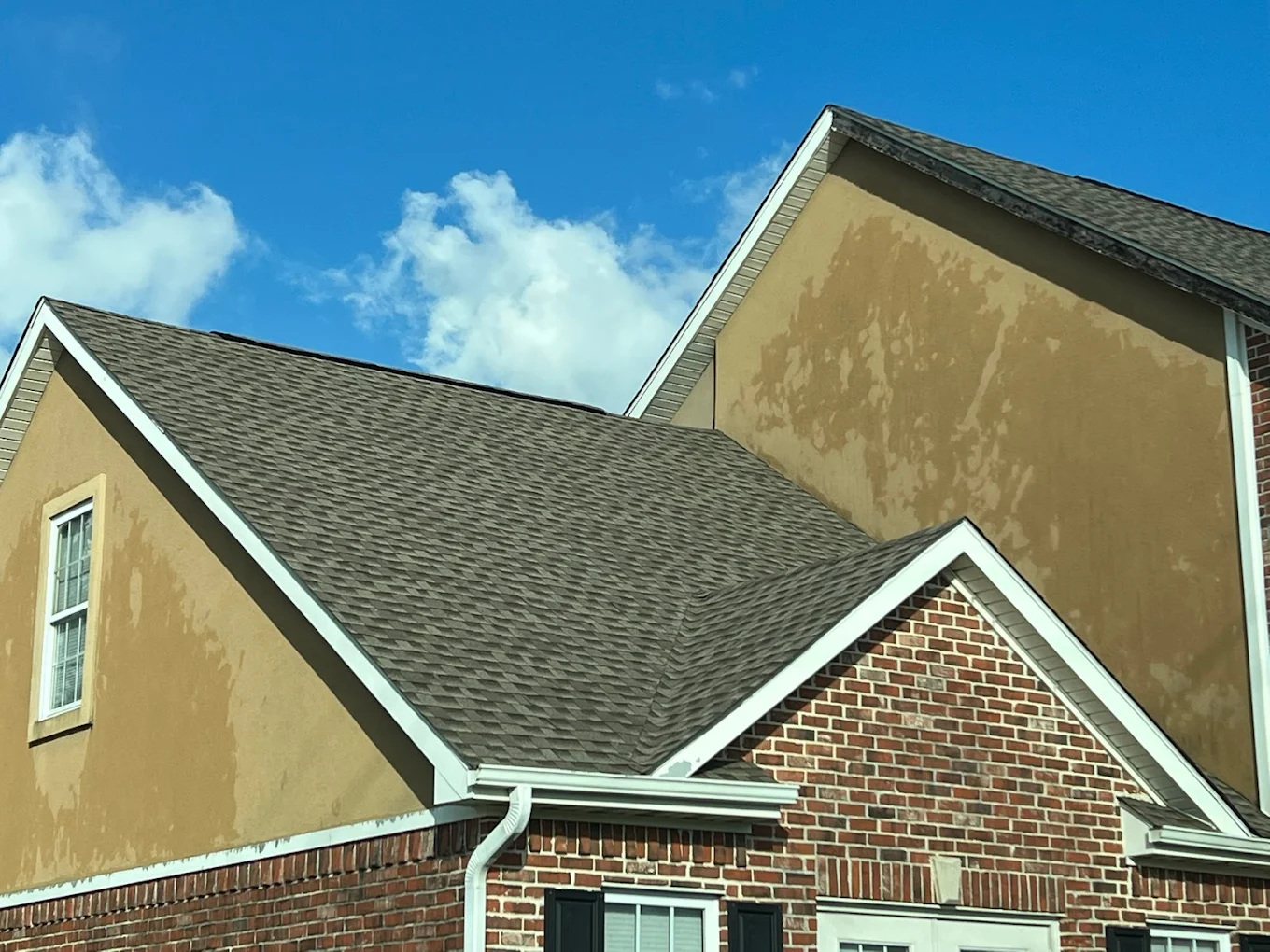
Residential roofing primarily focuses on homes and small buildings. The structures usually have simpler designs compared to commercial buildings and often utilize traditional materials like asphalt shingles, tiles, or metal.
Key Characteristics of Residential Roofing:
- Project Scope: Usually smaller projects focused on individual homes. Materials: Commonly use materials like asphalt shingles, clay tiles, wood shakes, and metal. Design Complexity: Simpler designs with fewer specialized requirements. Regulatory Standards: Governed by local building codes that may vary significantly.
Characteristics of Commercial Roofing Services
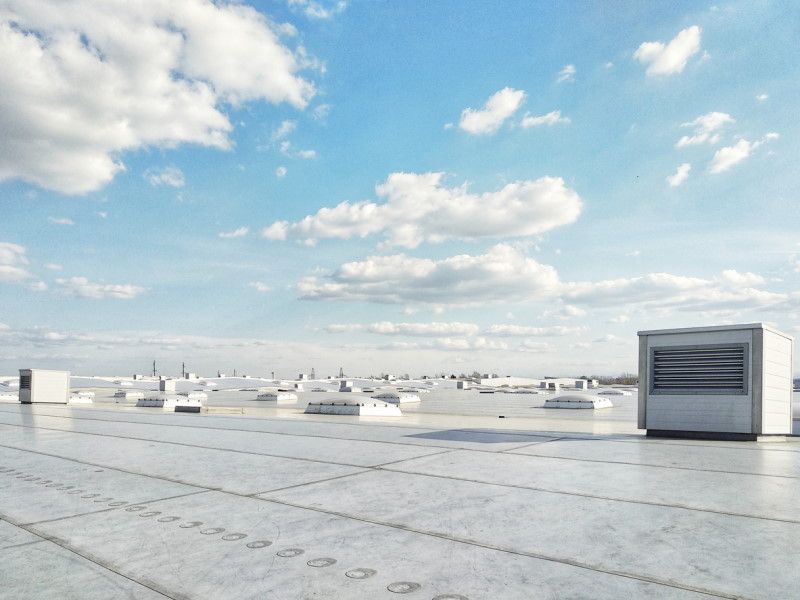
Commercial roofing involves a broader range of structures such as office buildings, warehouses, retail spaces, and industrial facilities. These roofs typically require specialized materials and techniques due to their size and design complexity.
Key Characteristics of Commercial Roofing:
- Project Scope: Large-scale projects that often involve multiple units or extensive areas. Materials: May include EPDM rubber, TPO (thermoplastic polyolefin), PVC membranes, built-up roofs (BUR), or modified bitumen. Design Complexity: More intricate designs requiring advanced engineering solutions. Regulatory Standards: Must meet stringent commercial building codes and safety regulations.
The Key Differences Between Residential and Commercial Roofing Services
1. Material Selection
Both residential and commercial roofs utilize various materials tailored to their specific needs.
Residential Materials
- Asphalt shingles Clay tiles Wood shakes Metal panels
Commercial Materials
- EPDM rubber TPO PVC membranes Built-up roofing systems
2. Roof Design
Residential roofs often feature gable or hip designs that facilitate water drainage. In contrast, commercial roofs tend to be flat or low-sloped to maximize usable space.
3. Installation Techniques
Installation methods differ considerably between residential and commercial projects due to size constraints and material roofer types.
Residential Installation:
Typically involves simpler techniques suited for smaller teams.
Commercial Installation:
May require specialized equipment like cranes for heavy materials.
4. Maintenance Requirements
Both residential and commercial roofs need regular maintenance but differ in frequency and intensity.
Maintenance for Residential Roofs:
Routine inspections every few years can suffice if no issues arise.
Maintenance for Commercial Roofs:
Should be conducted more frequently due to exposure to harsh conditions affecting larger surface areas.
Cost Considerations: What You Need To Know
5. Understanding Roof Repair Costs
When it comes to repairs, costs can vary widely based on several factors including the type of roof involved.
Typical Costs for Residential Roof Repairs
Residential roof repair costs can range from $200 for minor fixes like patching leaks to thousands for more extensive damage such as storm damage roof repair or roof replacement services.
Typical Costs for Commercial Roof Repairs
Commercial roof repairs generally cost more due to the complexity involved—average costs can start around $1,000 but may escalate depending on the damages experienced (e.g., hail damage roof repair).
FAQ Section: Common Queries About Roofing Services
6. What is the average lifespan of a residential roof?
Typically ranges from 15 to 30 years depending on the material used—metal roofs tend to last longer than asphalt shingles.
7. How do I find the best roofing contractors?
Look for licensed roofing contractors with positive reviews online. Ask about their experience in both residential and commercial projects.
8. What should I include in my roof repair estimate?
A detailed estimate should cover labor costs, materials needed, expected timeline, potential additional fees for emergency repairs or special circumstances such as storm damage repairs.
9. When should I consider roof replacement?
If your roof leaks frequently despite repairs or shows significant wear after 20 years (for asphalt shingles), it might be time for a complete replacement rather than repeated repairs.
10. Are emergency roofing services available?
Yes! Many licensed roofing contractors offer emergency services for issues such as severe leaks caused by storms or unexpected damage—these can be lifesavers during critical moments!
11. How often should I schedule a roof inspection?
It's advisable to have your roof inspected at least once a year; however, following major storms or severe weather events warrants immediate inspection due to potential unseen damage.
Conclusion
In summary, understanding The Key Differences Between Residential and Commercial Roofing Services is essential when deciding which service best meets your needs. From material selection to installation techniques and maintenance requirements—each aspect plays an integral role in ensuring that your property remains protected against the elements while maximizing its longevity and structural integrity.
Whether you're seeking reliable residential roofing services or need expansive solutions for commercial properties, hiring experienced professionals is key. Always choose licensed roofing contractors who understand the nuances of both sectors; doing so ensures quality workmanship coupled with peace of mind regarding safety standards compliance!
As you embark on your journey toward enhancing your property's roof system—be it through fresh installations or necessary repairs—remember that informed choices lead not only to better outcomes but also contribute positively towards maintaining value over time!
